Lead Rein Leadership: Team Building with Steeds for Depend On and Quality
On a foggy morning in late springtime, an item team from a midsize technology business stepped into a sand arena, everyone holding a lead rope clipped to a calm bay gelding called Boone. They were expecting icebreakers, perhaps a rope training course in camouflage. Instead, the facilitator asked a quiet question: "That is leading, and who is complying with?" 5 mins later, Boone responded to for them. He strolled with the only person whose hand remained steady and whose breath did not drawback. When the others tried to steer with babble and obscure cues, Boone stopped briefly, blinked, and stood like a granite sculpture. He was not being stubborn. He was being honest.
That is the heart of equine-assisted coaching. Horses check out congruence. They tune in to intent, tension, and clearness long prior to we hear our own words. When groups find out to provide a clear ask and launch stress at the ideal moment, connections change. Conferences shorten. Liability enhances. Depend on, that commonly abstract concept, turns functional and visible.
Why steeds instruct management differently
Horses are victim pets with polished nervous systems. They have actually survived by tracking micro-signals in their herd and setting, then choosing an instructions together with speed and cohesion. They can not be misleaded by a confident tone that masks doubt, or by a smile that conceals disappointment. A horse feels what holds true via breath price, posture, and the steadiness of a person's center. That makes them perfect mirrors for leadership, group building, and somatic learning.
In typical workshops, talk can win. A strong speaker can score factors without changing anything about just how they actually connect under pressure. In work with equines, intent and actions either develop movement or they do not. The feedback lands without reproaching anyone. If an employee draws, the steed supports. If the person crowds area, the horse steps away. If the person supplies a clear limit after that softens, the steed adheres to. This is why equine-assisted solutions are typically described as rapid comments. The loophole from activity to feedback is prompt, normally within a breath or two.
Trust grows since the horse has no risk in your org graph. Boone does not care if you are a VP or an intern. He replies to honesty, justness, and leadership used with clearness. The same dynamics that make healing horsemanship effective for people, make equine-assisted tasks and coaching reliable for business understanding. The arena comes to be a clean lab for relationship experiments where the outcomes appear in unguis, not glide decks.
What a session actually looks like
The best programs begin prior to any person touches a horse. Safety and security and permission established the tone. People learn how to stand, how to welcome a horse to relocate, and exactly how to step out if a job really feels frustrating. Safety helmets are offered. Closed-toe footwear are non-negotiable. Facilitators, commonly combined with an equine professional, reviewed both the human team and the herd, after that shape workouts to match.
A typical initial workout is simple: halter, lead, and quit with the equine in step next to you, not behind or ahead. It seems easy on paper. In practice, it subjects whether your objective is clear and your timing is thoughtful. Ask the horse to stroll, after that soften your hand so you are not dragging. Ask to quit, after that unwind your body. If you hold stress after the stop, the horse will likely sneak. If you rush the walk, the horse might speed up, after that lean with your hand when it is time to slow. Each minute is a micro-debrief on clarity.
Next, teams could browse a challenge, such as walking over ground poles or via a marked passage. With no voice allowed, the team has to work with with signals, eye call, and placement. Somebody needs to take factor. Somebody else needs to check pace. A person needs to view the equine's ears and taking a breath to recognize when to stop briefly. The best debriefs link what happened in the sector to what takes place at work. That held the huge photo. Who tracked risk. That connected in between vision and execution. That noticed when the horse was overwhelmed and produced a reset.
Sessions usually run 2 to 3 hours for a half day, or 5 to 6 hours for a full day with breaks. Optimum team size for finding out with online horses often tends to vary from 6 to 12. Bigger groups can revolve, but the magic lives in straight call and monitoring, not in spectating from a range. Individuals that are not leading still find out by reading ears, eyes, and foot positioning. The equine's body offers a running commentary.
The significance of the lead rein
In English riding, a lead rein is an easy strap and clip. In method, it is an agreement. Pressure asks. Release says thank you. You apply a little feeling towards the instructions you desire, after that you soften the immediate the equine returns. Excessive pressure, the horse stands up to. Too little, the steed has no idea what you want. The art remains in timing and clearness, not force.
Good supervisors make use of the same principle. When you ask for a deliverable, define done. Settle on checkpoints, then alleviate off. If your team takes an action in the appropriate instructions, recognize it swiftly. If you maintain drawing long after they have actually conformed, they find out to brace or tune you out. If you never ever offer a clear ask, they think twice or overcompensate. Job either obtains aggressive or obscure. Steeds assist people really feel that cycle literally, not simply intellectually.
During one workout, a sales director maintained cueing Boone to progression while unconsciously tightening up the lead rope at the very same time. Boone stayed grown. The facilitator directed this out delicately. The director chuckled, after that tried once again, this time opening his hand as he asked. Boone walked off at once. Back at the office, that director transformed just how he ran pipe reviews. He kept the ask crisp, after that gave area. His team reported less firefights within a month.
From task to training and wellness
It assists to recognize the spectrum of equine-assisted solutions. Equine-assisted tasks include structured, non-therapeutic discovering experiences, such as group structure with horses or management workshops. Therapeutic horsemanship includes skill structure on the ground or placed for individuals with physical, cognitive, or emotional requirements, and is typically educated by trainers with specific adaptive training. Equine-assisted mentoring, occasionally called equine-facilitated training, blends mentoring structures with horse-facilitated exercises to target professional development, communication, and management. Equine-facilitated health leans into the mental health and wellness and somatic measurements, occasionally in cooperation with accredited therapists.
Ethics and clarity around scope issue. If https://ameblo.jp/griffinurpc270/entry-12980171165.html you are seeking performance discussions for a management team, you desire experienced instructors who recognize organization characteristics and group process. If you are sustaining trauma recuperation, you want qualified clinicians that integrate horses securely into treatment plans. The lines can overlap, and many barns companion across techniques, but the supports are authorization, safety and security, and expert competence.
Why experiential learning with horses sticks
Rehearsing a hard conversation at a whiteboard engages only component of the brain. Doing similar work next to a thousand pound trip animal entails the whole body. Somatic knowing suggests your nerve system updates its patterns with felt experience, not simply via concepts. When you get coinciding before a horse, then watch the horse unwind and react, your body documents that connect. People leave the field with brand-new muscle mass memory for how a clear ask feels, how a limit really feels, and how to pause when arousal rises.
I typically trainer individuals to enjoy a steed's breath as a mirror for their very own. When a person softens their jaw, the steed typically breathes out. When the person tenses, the horse's ribcage tightens. That noticeable comments aids individuals control. With time, the very same regulation turns up in group gathers before a product launch or in a boardroom during a warmed spending plan argument. The lesson is not about equines. It has to do with attunement and clearness under stress.
Neurodiversity, anxiousness, and sensory needs
Beyond company job, equine-assisted programs typically serve neurodivergent students. An ADHD equine finding out support session might focus on pacing, impulse control, and job sequencing in a way that feels alive instead of punishing. A pupil techniques leading at a regular speed, then resetting with a breath prior to the next ask. The equine provides instantaneous comments without judgment. Success ends up being concrete: the steed stayed with you with three cones at a constant walk.
For individuals on the autism range, an autism equine learning program can stress foreseeable regimens, clear signals, and gentle sensory input. Brushing in lengthy strokes, really feeling the vibration of a nicker through a cheek versus a neck, stepping over poles individually, all of this arranges sensory experience. Numerous households explain their kid leaving calmer, more worked with, and a lot more certain in checking out nonverbal signs. Interaction construct in both directions. The steed replies to the kid's clearness. The kid learns that justness and consistency create safety.
People handling anxiousness usually discover alleviation via somatic healing with steeds. A victim pet obeys noticing, however likewise by resetting quickly to grazing when a threat passes. Practicing this reset with a tranquil herd member develops a design for the body. The message is: notice, act, recover. For some, time with steeds becomes an alternate therapy for sensory obstacles that formal talk treatment alone has not attended to. The movement, the smell of hay, the rhythm of hoofbeats, also the silent job of loading a water pail ends up being grounding.
Important note on extent: while equine-facilitated wellness can enhance treatment, it is not a replacement for medical care or situation support. Good programs collaborate with healthcare providers when proper, use notified permission, and maintain boundaries around what the arena is and is not.
An area tale about clarity and trust
A remote-first start-up pertained to the cattle ranch after an uneven quarter. Missed out on handoffs, shadow decisions, and climbing friction. Twelve individuals, two of whom had actually never satisfied face to face. We started with an easy tandem lead of a mare named Poppy through an S contour of posts. The first pair made it midway, after that Poppy lifted her head and stopped. She was not terrified. She was puzzled. Their asks opposed each various other by an inch.
The team chose to nominate a single leader for each section, with specific handoffs at the turns. They added one function called the Display, whose only task was to claim "Time out" when Poppy's ears pinned or her breathing altered. The whole group exhaled together when Poppy walked the full course in a smooth line. That afternoon, the group rebuilt its product evaluation cadence using the exact same roles. A month later, the CEO composed that their weekly preparation went down from 90 minutes to 45, and they were shipping on projection once more. No person stated Poppy in those conferences, but the handoffs and stops lived on.
Designing the right program for your team
Choices issue. The best layout begins with a clear function, not just a fun day out. Are you building count on after a reorg, onboarding a brand-new leader, solving cross functional friction, or stopping exhaustion. Each objective suggests a different arc. A trust focused day might combine mild brushing with limit job and common lead workouts. A clarity concentrated day might lean into timed barrier courses with rigorous no chatting guidelines to require crisp nonverbal leadership.
Consider logistics. Climate matters, yet rainfall can include helpful appearance if you have actually covered space. Sessions commonly run quarter day, half day, or full day. Group sizes over a dozen usually split. One facilitator for each 4 to 6 individuals maintains focus sharp and safety and security tight. Charges differ by region and team dimension. For planning, numerous companies spending plan in a similar way to offsite approach days or ability workshops in the very same location, with a costs for venue and equine personnel. The variable to enjoy is proportion. If a program uses bargain rates by piling 20 individuals per equine, top quality will experience. Horses are not props. They are partners.
Here is a brief preparation list numerous clients find valuable:
- Clarify objectives in one sentence you can examine in the arena.
- Confirm facilitator credentials, including equine, coaching, and safety and security credentials.
- Align group dimension with steed and staff availability for a 1 to 4 or 1 to 6 ratio.
- Plan for debrief time equal to or longer than exercise time.
- Set post event practices so lessons show up at the office within a week.
Measurement without overcomplication
Return on financial investment gets unsafe when you chase dollar numbers as well hard. Still, you can track purposeful outcomes. Before the workshop, ask individuals to price clarity of functions, count on peers, and performance of conferences on an easy 1 to 5 range. Repeat the survey 2 to four weeks after. Try to find movement of a minimum of one point in targeted areas. Pair numbers with habits markers, such as time to decision on cross team concerns, frequency of rework, or the variety of disruptions in standups.
One production client tracked security near misses out on and team interaction incidents for 8 weeks pre and eight weeks post a collection of equine-assisted mentoring days. Near misses out on dipped modestly, while event reports that consisted of aggressive peer training increased. The plant supervisor credited a brand-new practice of "ask, after that release" that managers practiced in the sector. It also aided that the sessions constructed partnerships across shifts that hardly ever overlapped.
Qualitative stories matter. You will hear people claim things like, "I recognized I discuss people when I get anxious," or "I need to make a tidy ask and quit adding problems." Capture those reflections. Use them in performance conversations later, not as cudgels however as supports for change.
Safety, ethics, and the steeds' well being
Responsible equine-assisted solutions placed horse well-being at the center. That begins with proper job hours, remainder, and herd life. Equines should have yield, social contact, and workout beyond sessions. During programs, they need water, color, and breaks. The herd's consent matters, too. A steed that selects to involve will certainly educate far better than a steed that is closed down.
Human security lives in prep work. Clear instructions, proper footwear, headgears when needed, and specialist oversight are standard requirements. Great facilitators review the early indications of bewilder in both human beings and horses and understand when to simplify or stop. They also hold boundaries on what the field is for. It is not the place to discover unsettled injury without assistance. It is not the location to push a person right into call with an equine if concern is high. Permission is not an one-time trademark, it is a regular conversation.
As you veterinarian service providers, inquire about associations and training. Lots of experts hold accreditations or education with well-known organizations in restorative horsemanship and equine-assisted training. While letters after a name do not assure fit, they do suggest a commitment to criteria and continuing education. Insurance ought to be current and appropriate to the work.
Edge cases and thoughtful adaptations
Not everyone wants to be near a horse. Allergic reactions, cultural sights, past experiences, and straightforward choice deserve regard. Good programs develop dignified options, such as monitoring functions that bring real weight or identical exercises with distance. Fear that softens with time can be among one of the most useful discoverings, yet guts just counts when the individual has option and support.
Medical factors to consider are entitled to testimonial. Expecting individuals, people with current surgeries, and those with equilibrium obstacles may require modified tasks. Groups with members that use wheelchairs or flexibility devices can still participate, with innovative setup. Grooming at a reduced connection, liberty work from a fencing line, and twin lead exercises can all adapt safely.
Weather can enhance danger and finding out both. Warm needs much more breaks and water. Cold impacts grip and focus. Wind can bring unexpected motion that steeds see long before individuals do. Facilitators intend with those facts in mind, or they reschedule. There is no heroism in pushing through unsafe conditions.
Bringing lessons home
The success of equine-facilitated coaching shows up back at work where it matters. The trick is to turn really felt experience into day-to-day practices. Many teams arrange a 30 minute debrief within two days to translate sector understandings right into details behaviors. They also designate an individual to look for drift, the sluggish go back to old patterns.
Here are 5 techniques that transfer well from the lead rein to the office:
- Make a clear ask, then stop chatting. Allow individuals react before you add more.
- Notice tension and reset. If the space tightens, call a quick pause to breathe.
- Name duties and handoffs aloud. Clearness lowers friction greater than heroics.
- Use stress like a dial, not a switch. Raise just sufficient to produce movement, after that release.
- End with launch. Acknowledge development rapidly so individuals do not brace for the following pull.
Keep it easy. You do not need horse metaphors in every conference. You need the technique to breathe, to ask easily, to establish limits with kindness, and to discover little wins. People keep in mind how it felt when Boone or Poppy selected to adhere to a constant hand. That memory ends up being a design template the next time risks rise and time compresses.
Choosing a service provider who fits your culture
Culture fit is not fluff. A scrappy start-up and a custom rich specialist solutions firm will react to various designs. Visit the facility or schedule a video tour. View how the group communicates with the equines in downtime, not just in demonstrations. Ask exactly how they customize sessions for remote teams, hybrid organizations, or teams who have never ever seen an equine up close. Inquire about debrief methods. The most effective facilitators build area for representation, after that link insights to concrete steps you appreciate, such as decision civil liberties or customer action time.
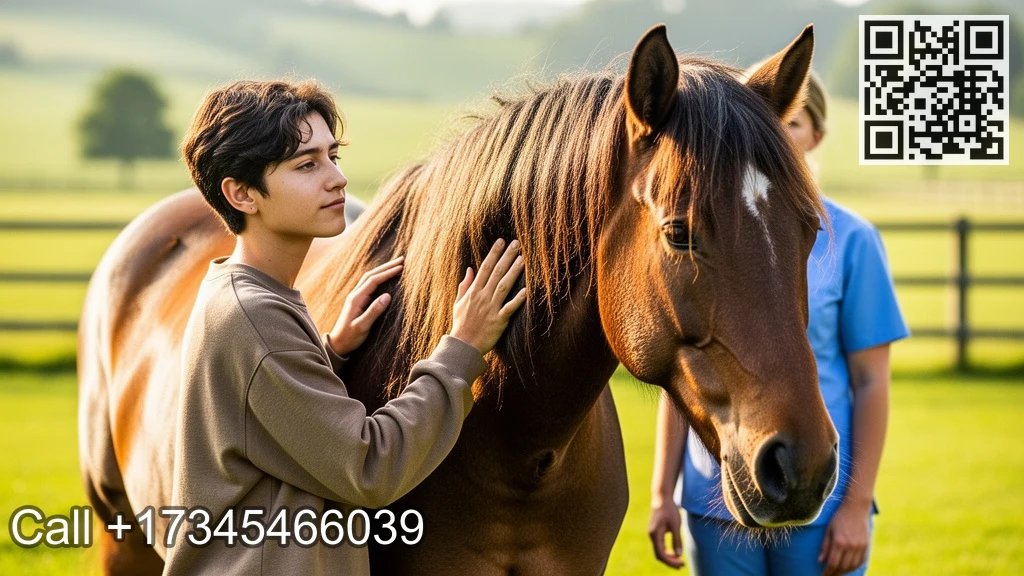
Clarity on language helps too. If you desire equine-assisted tasks that concentrate on team building with equines and clear communication abilities, claim so. If you desire a deeper arc that touches habits under stress and body based discovering, point out interest in somatic healing with equines. If your objective favors spirits and wellness, explore equine-facilitated health days that include peaceful grooming, herd monitoring, and time in nature. All of these can be legit. The ideal program will certainly satisfy you where you are and stretch you just enough.
Final thoughts from the rail
I have actually seen seasoned executives get humbled, not by shame, but by the alleviation of locating a consistent rate. I have seen teenagers on the autism spectrum step into management with a softness that moved adults to splits. I have seen designers, not usually anxious for group exercises, light up as a mare mirrored their breath and then strolled off at their side. None of this requires magic. It requires existence, fair requests, and prompt releases.
A lead check a human hand is a promise. I will be clear. I will be reasonable. I will see when you attempt. Teams that maintain that promise with each other build trust that can deal with difficult quarters and messy tasks. Equines aid us practice until it ends up being second nature. Then, when the fog lifts and target dates loom, the team relocates with each other, light on the line, eyes up, headed in the exact same direction.
Happy Hooves Wellness
9177 Gross Rd, Dexter, MI 48130
+17345466039
https://www.hhooves.com/